
Castles have captivated the human imagination for centuries. Rising from rugged hillsides, overlooking ancient towns, guarding mountain passes, or standing beside rivers and seas, they are far more than impressive buildings. They were fortresses, royal residences, symbols of power, and homes to noble families. Behind their massive walls and imposing towers are stories of ambition, courage, conflict, betrayal, romance, triumph, and tragedy. Few places offer such a vivid connection to the people and events of the past.
What makes castles especially fascinating is their incredible variety. Some were nearly impregnable military strongholds, while others became magnificent palaces filled with art, grand halls, and royal treasures. Many were strategically positioned to control rivers, roads, harbors, valleys, and trade routes. Their walls, towers, moats, gates, drawbridges, and chapels reveal how architecture and engineering responded to the dangers of their time. Every castle offers a glimpse into another age.
Perhaps most captivating are the human stories connected to these extraordinary places. Castles have witnessed battles, sieges, royal celebrations, political intrigues, imprisonment, escape, prosperity, and decline. Some survived wars, fires, earthquakes, and centuries of change; others remain evocative ruins, their weathered stones offering clues about those who once lived within them. Preserved, restored, or reclaimed by nature, castles remain among the world’s most fascinating historical landmarks, magnificent reminders of the power, ingenuity, struggles, and dreams of the people who built them.
These are castles of Austria:
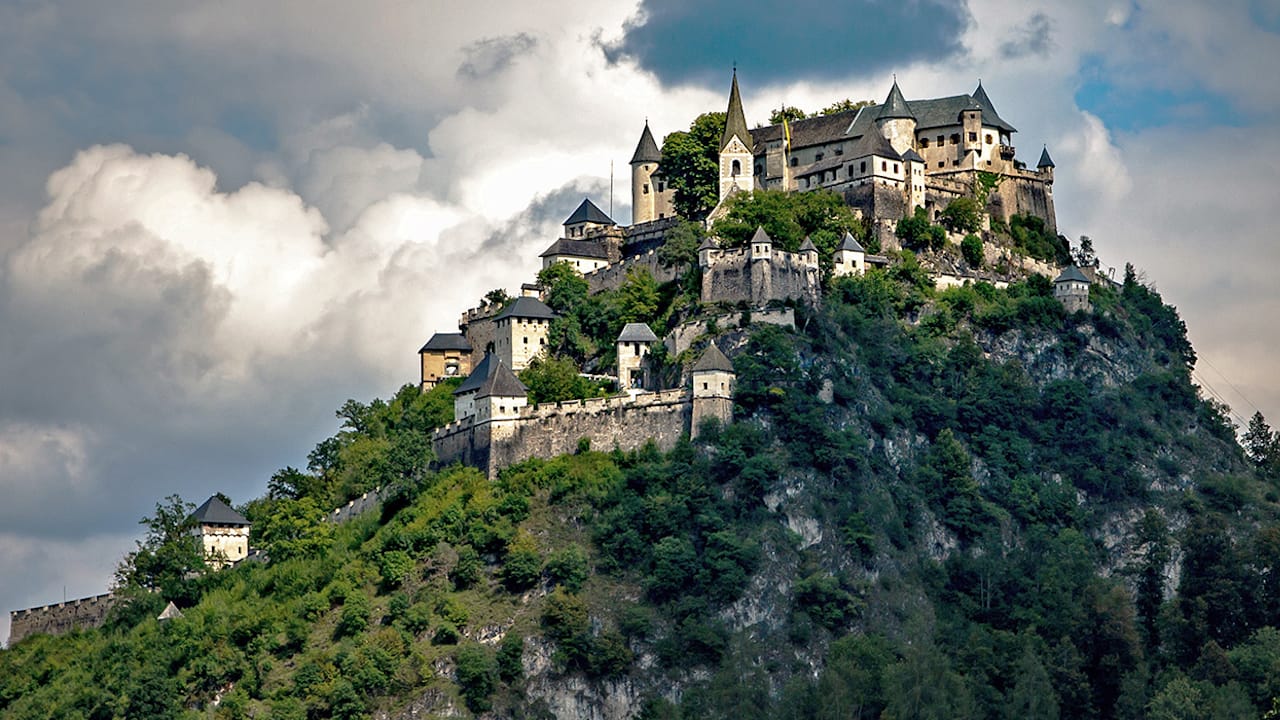
Hochosterwitz Castle
- Location: Launsdorf, Carinthia
- Built / Completed: First documented in 860; substantially rebuilt and fortified in the 16th century
- Commissioned By: Christoph and Georg Khevenhüller
- Architect / Builder: Domenico dell’Aglio
- Original Purpose: Defensive fortress and residence
- Fascinating Fact: Its famous approach has 14 fortified gates, designed to make an attacking army fight its way uphill through successive defenses.
- Today: Privately owned by the Khevenhüller family and open to visitors as a historic attraction.
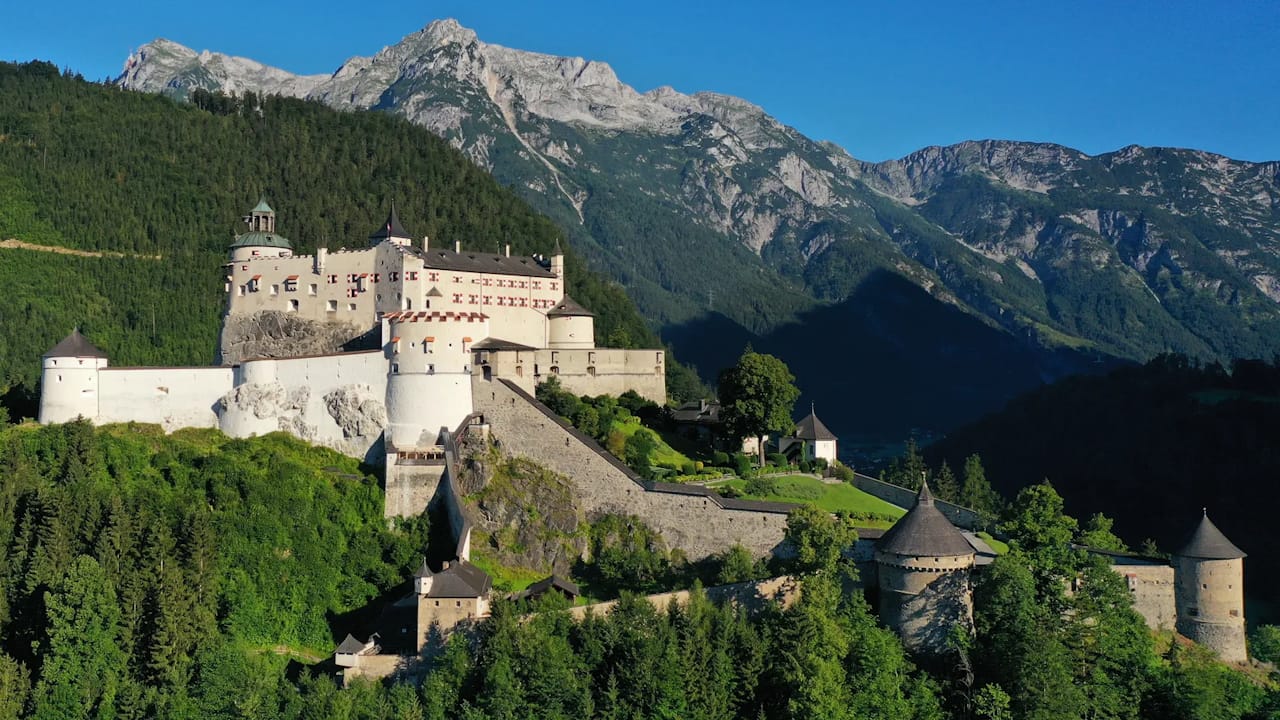
Hohenwerfen Castle
- Location: Werfen, Salzburg
- Built / Completed: 1075–1078
- Commissioned By: Archbishop Gebhard of Salzburg
- Architect / Builder: Medieval Salzburg builders; later expanded by successive archbishops
- Original Purpose: Strategic fortress protecting the Salzburg archbishopric
- Fascinating Fact: During the Peasants’ War of 1525–1526, rebellious peasants and miners occupied the fortress for several months.
- Today: A major tourist attraction featuring museums, exhibitions, guided tours, and a famous falconry center.
Kreuzenstein Castle
- Location: Leobendorf, Lower Austria
- Built / Completed: Medieval castle originally; rebuilt 1874–1906
- Commissioned By: Count Johann Nepomuk Wilczek
- Architect / Builder: Friedrich von Schmidt and his team
- Original Purpose: Originally a medieval fortress; the rebuilt castle became a family monument and collection of medieval art and artifacts
- Fascinating Fact: Wilczek incorporated authentic medieval architectural pieces purchased from locations throughout Europe into his extraordinary reconstruction.
- Today: Privately owned museum and popular tourist attraction, with falconry demonstrations.

Tratzberg Castle
- Location: Jenbach, Tyrol
- Built / Completed: Present castle largely built beginning around 1500
- Commissioned By: Veit-Jakob and Simon Tänzl
- Architect / Builder: The Tänzl brothers and later Renaissance builders
- Original Purpose: Border fortress and later aristocratic residence
- Fascinating Fact: The original fortress was destroyed by fire in 1492; the wealthy Tänzl brothers then created the magnificent Renaissance castle that stands today.
- Today: Privately owned and still a residence of the Goëss-Enzenberg family; portions are open to visitors.

Hohensalzburg Fortress
- Location: Salzburg, Salzburg
- Built / Completed: Begun in 1077; expanded substantially through the 16th century
- Commissioned By: Archbishop Gebhard of Salzburg
- Architect / Builder: Numerous builders under successive prince-archbishops
- Original Purpose: Defensive fortress and fortified residence of the prince-archbishops
- Fascinating Fact: Hohensalzburg is one of Europe’s largest and best-preserved medieval fortresses and was never successfully captured in battle.
- Today: One of Salzburg’s principal attractions and a museum complex open to the public.

Forchtenstein Castle
- Location: Forchtenstein, Burgenland
- Built / Completed: Medieval origins; dramatically expanded from 1632 onward
- Commissioned By: Count Nikolaus Esterházy and later Prince Paul Esterházy
- Architect / Builder: Simon Retacco and Domenico Carlone
- Original Purpose: Military fortress and later Esterházy family treasury and residence
- Fascinating Fact: Prince Paul Esterházy transformed the fortress into a spectacular treasure house containing the family’s art, weapons, portraits and remarkable chamber of treasures.
- Today: Esterházy family museum and historic attraction.

Liechtenstein Castle
- Location: Maria Enzersdorf, Lower Austria
- Built / Completed: Originally 1130–1135; substantially restored and reconstructed in the 19th century
- Commissioned By: Hugo of Liechtenstein; later restoration was undertaken by Princes Johann Josef I and Johann II of Liechtenstein
- Architect / Builder: Joseph Hardtmuth, Carl Gangolf Kayser and Egon Rheinberger during the later restorations
- Original Purpose: Fortified ancestral residence of the Liechtenstein family
- Fascinating Fact: The castle was badly damaged by the Ottomans in 1683 and later transformed through Romantic-era restoration into the striking castle seen today.
- Today: Still owned by the Princely Family of Liechtenstein and open to visitors on guided tours.

Aggstein Castle Ruins
- Location: Wachau Valley, Lower Austria
- Built / Completed: Originally around 1200; substantially rebuilt 1429–1436
- Commissioned By: Originally the Kuenring family; later rebuilt by Jörg Scheck von Wald
- Architect / Builder: Medieval builders; largely rebuilt under Jörg Scheck von Wald
- Original Purpose: Strategic fortress overlooking the Danube
- Fascinating Fact:: The castle’s reputation for cruelty became legendary under Jörg Scheck von Wald, who was said to have imprisoned victims on the infamous “Rose Garden,” a narrow rocky ledge.
- Today: Atmospheric ruins and one of Lower Austria’s most popular historic attractions.

Clam Castle
- Location: Klam, Upper Austria
- Built / Completed: 1149
- Commissioned By: Otto von Machland
- Architect / Builder: Unknown; expanded by successive owners
- Original Purpose: Fortified aristocratic residence
- Fascinating Fact: Unlike many medieval castles, Clam has remained continuously inhabited by the same family for more than 500 years.
- Today: Still privately owned by the Clam family; parts of the castle are open to visitors, including guided tours and summer concerts.

Heidenreichstein Castle
- Location: Heidenreichstein, Lower Austria
- Built / Completed: Construction began around 1180
- Commissioned By: Early noble lords of the region
- Architect / Builder: Unknown
- Original Purpose: Defensive stronghold and aristocratic residence
- Fascinating Fact: Heidenreichstein is one of Austria’s best-preserved medieval water castles, surrounded by a moat and built on rocky islands.
- Today: Privately owned and open to visitors, with guided tours exploring the castle’s medieval architecture and history.

Image Credits
- Hochosterwitz Castle: Hochosterwitz Castle
- Hohenwerfen Castle: Fortress Hohenwerfen
- Kreuzenstein Castle: Wikimedia
- Tratzberg Castle: Tirol
- Hohensalzburg Fortress: Wikimedia
- Forchtenstein Castle: Wikimedia
- Liechtenstein Castle: Wikimedia
- Aggstein Castle Ruins: Wikimedia
- Clam Castle: Wikimedia
- Heidenreichstein Castle: Edgar Pfandler, Wikimedia
- Riegersburg Castle: Wikimedia
More Architecture Posts.