
There are remote places on Earth where civilization seems very far away. Some are tiny islands surrounded by thousands of miles of ocean. Others are frozen, windswept and almost impossible to reach. And then there are a few where people have somehow managed to build homes and communities and call these incredibly isolated places home.
Following are ten remote places that provide a glimpse of just how isolated our planet can be. The first six are about as close to “the middle of nowhere” as you can get. The final four are even more fascinating because people actually live there.
Places in the Middle of Nowhere
Point Nemo — South Pacific Ocean
Location: South Pacific Ocean — Google Earth
Distance from civilization: 1,670 miles from the nearest land.
How you get there: You don’t. Point Nemo is a spot in the open ocean.
Population: None.
Physical barriers: Thousands of miles of open Pacific Ocean.
Degree of isolation: The farthest point from land on Earth.
Point Nemo may be the ultimate definition of “middle of nowhere.” There isn’t a lonely house, a tiny village or even a rock sticking out of the water. There is simply ocean. The nearest land is about 1,700 miles away in every direction. If you want to get away from it all, this would be a pretty good place to start.
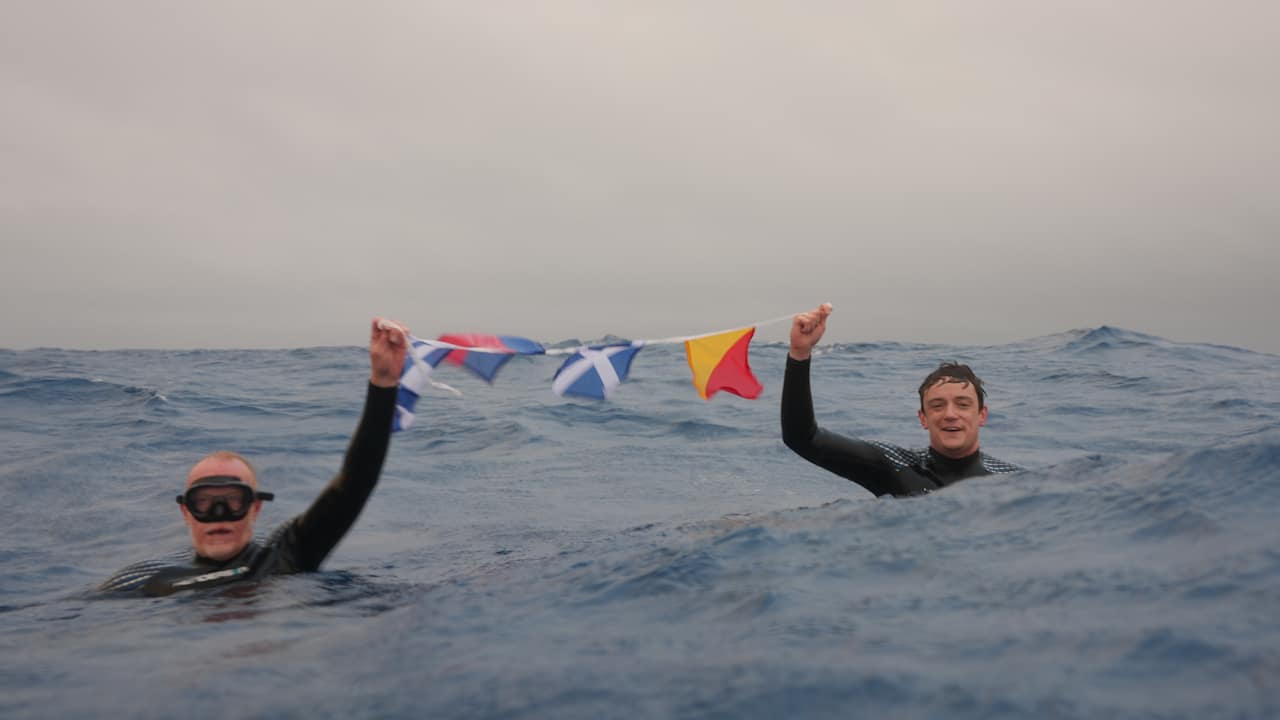
Bouvet Island — Southern Ocean
Location: Southern Ocean, Norwegian territory — Google Earth
Distance from civilization: About 1,600 miles from South Africa.
How you get there: By expedition vessel; getting ashore is extremely difficult.
Population: No permanent population.
Physical barriers: Glaciers, cliffs, rough seas and severe weather.
Degree of isolation: One of the most isolated islands on Earth.
Bouvet Island is a tiny volcanic island surrounded by a whole lot of nothing. Almost 90 percent of it is covered by glaciers, and there is no harbor or easy way to land. Even getting ashore can require a helicopter. Bouvet is one of those places that looks beautiful in photographs but probably isn’t the place you’d choose for your next beach vacation.
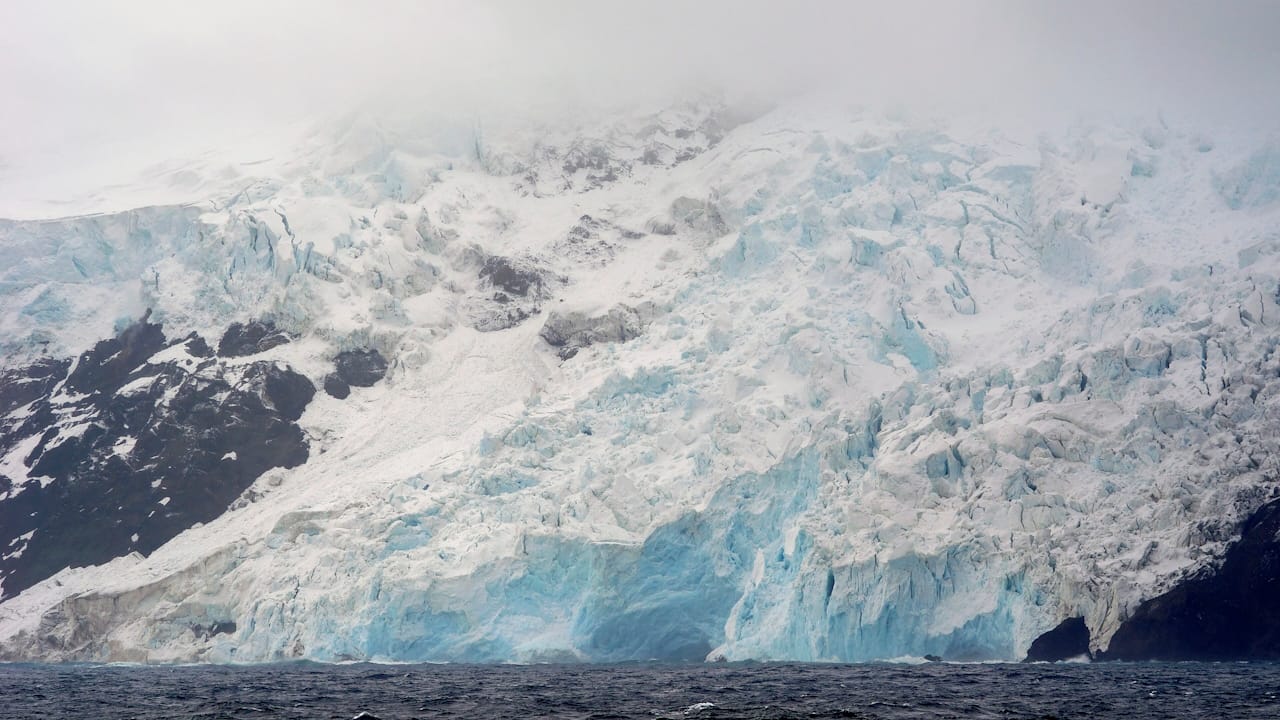
Peter I Island — Antarctica
Location: Bellingshausen Sea, Antarctica — Google Earth
Distance from civilization: About 280 miles from the Antarctic mainland.
How you get there: By expedition ship, weather permitting.
Population: None permanently.
Physical barriers: Ice, cliffs, steep volcanic slopes and rough seas.
Degree of isolation: Extreme.
Peter I Island is almost completely covered in ice and surrounded by some very unfriendly water. Much of its coastline consists of steep cliffs and ice fronts, making a landing a serious undertaking. The island is uninhabited and rarely visited. It is spectacular, remote and about as far removed from everyday life as you can imagine.

Heard Island — Southern Ocean
Location: Southern Ocean, Australian territory — Google Earth
Distance from civilization: About 2,600 miles from mainland Australia.
How you get there: By sea, usually as part of an authorized expedition or research mission.
Population: None.
Physical barriers: Rough seas, severe weather, glaciers and volcanic terrain.
Degree of isolation: Extreme.
Heard Island is an Australian territory that looks more like Antarctica than Australia. The island is dominated by Big Ben, an enormous active volcano rising above glaciers and rugged coastline. It is thousands of miles from mainland Australia and largely untouched by people. Severe weather and difficult seas make reaching it a genuine expedition.

Kerguelen Islands — Southern Indian Ocean
Location: Southern Indian Ocean, French Southern Territories — Google Earth
Distance from civilization: More than 1,200 miles from any continent.
How you get there: By ship, including the French supply vessel Marion Dufresne.
Population: No permanent civilian population; scientists and support personnel rotate through the islands.
Physical barriers: Rough seas, powerful winds, mountains and glaciers.
Degree of isolation: Extreme.
The Kerguelen Islands have one of the best nicknames in geography: the Desolation Islands. The name seems appropriate. This huge, rugged archipelago is thousands of kilometers from major population centers. A French scientific base operates at Port-aux-Français, but getting there requires a long voyage across the southern Indian Ocean.

Gough Island — South Atlantic Ocean
Location: South Atlantic Ocean, Tristan da Cunha group — Google Earth
Distance from civilization: Roughly 1,700 miles from South Africa.
How you get there: By sea; landing is difficult.
Population: No civilian population; a small weather-station team is stationed there.
Physical barriers: Steep cliffs, rough ocean and notoriously bad weather.
Degree of isolation: Extreme.
Gough Island is a rugged volcanic island rising dramatically from the South Atlantic. Its isolation has helped preserve an extraordinary natural environment, including huge seabird colonies and species found nowhere else. A small team maintains the weather station, but otherwise this is a place where wildlife vastly outnumbers people.

Places Where People Actually Live
Tristan da Cunha — South Atlantic Ocean
Location: South Atlantic Ocean, British Overseas Territory — Google Earth
Distance from civilization: About 1,500 miles from the nearest inhabited land.
How you get there: By boat; there is no airport.
Population: About 220 residents.
Physical barriers: Thousands of miles of ocean, rough seas and volcanic terrain.
Degree of isolation: One of the world’s most isolated inhabited communities.
Now we get to the really amazing part of the story: people actually live here. Tristan da Cunha is often described as the world’s most remote inhabited island. Its small community has a school, hospital, shops and all the ordinary routines of everyday life. The extraordinary part is getting there. The voyage from Cape Town can take up to a week, and bad weather can make the journey even longer.

Pitcairn Island — South Pacific Ocean
Location: South Pacific Ocean, British Overseas Territory — Google Earth
Distance from civilization: About 1300 miles from Tahiti and more than 3,300 miles from Auckland.
How you get there: By sea; there is no airport.
Population: Around 50 people.
Physical barriers: Open ocean, steep cliffs and difficult access through Bounty Bay.
Degree of isolation: Extraordinary.
Pitcairn is home to only around fifty people, many of them descendants of the famous HMS Bounty mutineers and their Tahitian companions. There is no airport and no conventional harbor. Ships remain offshore while passengers and supplies are brought ashore by longboats. The island’s steep climb from the landing area to Adamstown is fittingly known as the Hill of Difficulty.

Ittoqqortoormiit — Greenland
Location: East Greenland — Google Earth
Distance from civilization: About 25 miles from the nearest airport at Nerlerit Inaat.
How you get there: Fly from Iceland, then continue by helicopter, boat or snowmobile.
Population: 325 people in 2025.
Physical barriers: Sea ice, enormous fjords, mountains, snow and extreme weather.
Degree of isolation: One of Greenland’s most isolated communities.
Ittoqqortoormiit sits on Greenland’s remote east coast, surrounded by an immense Arctic wilderness. There is no road connecting the town to the rest of Greenland, and visitors normally fly from Iceland before making the final journey by helicopter, boat or snowmobile. For the people who live here, the isolation isn’t an adventure. It’s simply home.

Grise Fiord — Nunavut, Canada
Location: Ellesmere Island, Nunavut, Canada — Google Earth
Distance from civilization: About 230 miles from Resolute Bay.
How you get there: By air, with supplies also arriving by annual sealift.
Population: 144 people in the 2021 census.
Physical barriers: Arctic Ocean, sea ice, mountains, snow and extreme northern weather.
Degree of isolation: One of the most isolated communities in North America.
Grise Fiord is Canada’s northernmost civilian community, with only 144 people recorded in the 2021 census. There are no roads connecting it to the rest of Canada. The community depends on air travel and an annual sealift for its connection with the outside world. Look at a map and the reason for its isolation becomes obvious: there is an enormous Arctic wilderness in every direction.

The World Is a Very Big Place
Looking at these ten places makes one thing very clear: remoteness comes in many forms.
Point Nemo is remote because there is nothing there but ocean. Bouvet and Heard Island are isolated by enormous distances and hostile seas. The Antarctic and sub-Antarctic islands are separated from the rest of the world by thousands of miles of ocean, ice and weather.
But Tristan da Cunha, Pitcairn, Ittoqqortoormiit and Grise Fiord show us something even more interesting.
People live there.
These people have houses. They have schools. They work, raise families and celebrate birthdays and worry about the same everyday things that people everywhere worry about. The difference is that their homes happen to be in some of the most isolated places on Earth.
And that is perhaps the most incredible thing about these remote places.
Image Credits
- Point Nemo: Wikimedia
- Bouvet Island: Wikimedia
- Peter I Island: Wikimedia
- Heard Island: Australian Transport Safety Bureau
- Kerguelen Islands: Wikimedia
- Gough Island: Agreement on the Conservation of Albatrosses and Petrels
- Tristan da Cunha: Wikimedia
- Pitcairn Island: Wikimedia
- Ittoqqortoormiit: Norwegian Cruise Lines
- Grise Fiord: Nunavut Tunngavik Timinga
- Tindhólmur: Discover Faroe Islands
More Nature Posts